
India remains one of the most compelling long-term markets for non-resident Indians — but successful NRI investing is less about chasing a hot fund and more about getting the plumbing right: residential status, account type, repatriation, KYC, and tax documentation.
Insights Vault by iVentures breaks down the framework we use with NRI and OCI families so capital can participate in India’s growth without creating compliance surprises later.
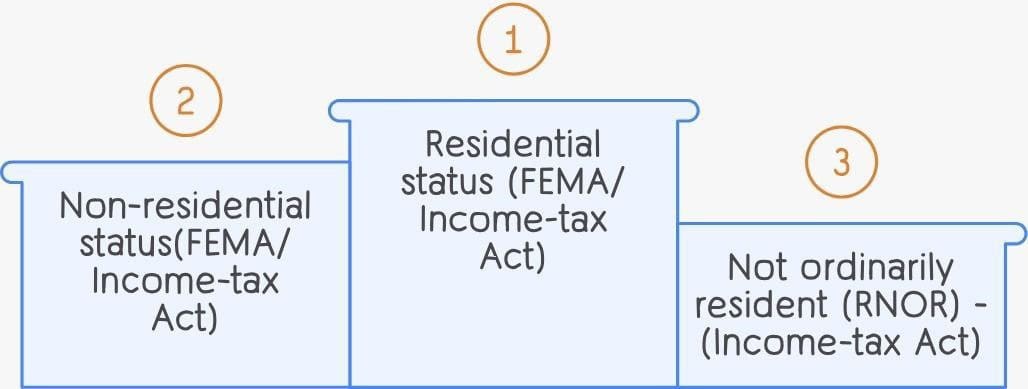
Start with residential status, not products
Two different regimes matter: FEMA (for what you may invest in and how money moves) and the Income-tax Act (for how income and gains are taxed). Status under each can differ, and RNOR (Resident but Not Ordinarily Resident) sits in between for many returnees.
Clarify status before you open accounts or sell property. A wrong assumption here cascades into the wrong bank account, incorrect TDS treatment, and messy filings in both India and your country of residence.
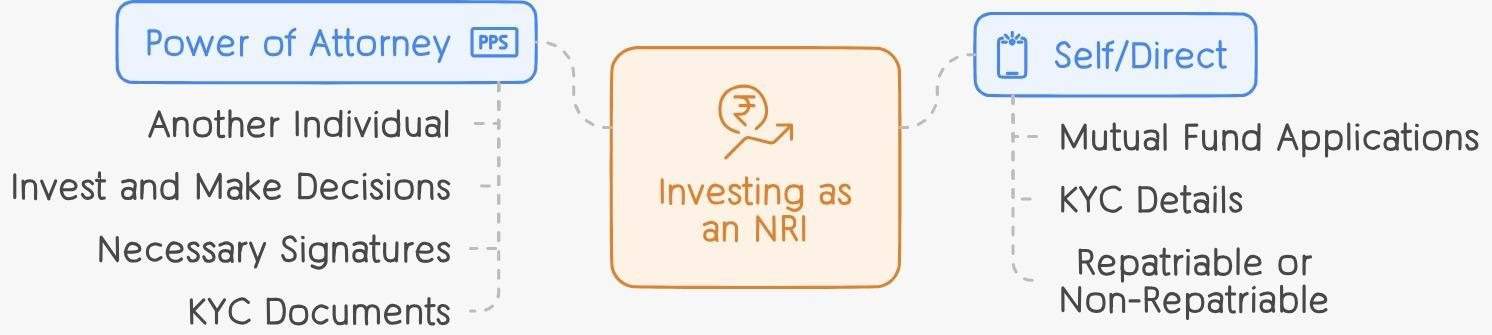
Accounts, KYC, and how you actually invest
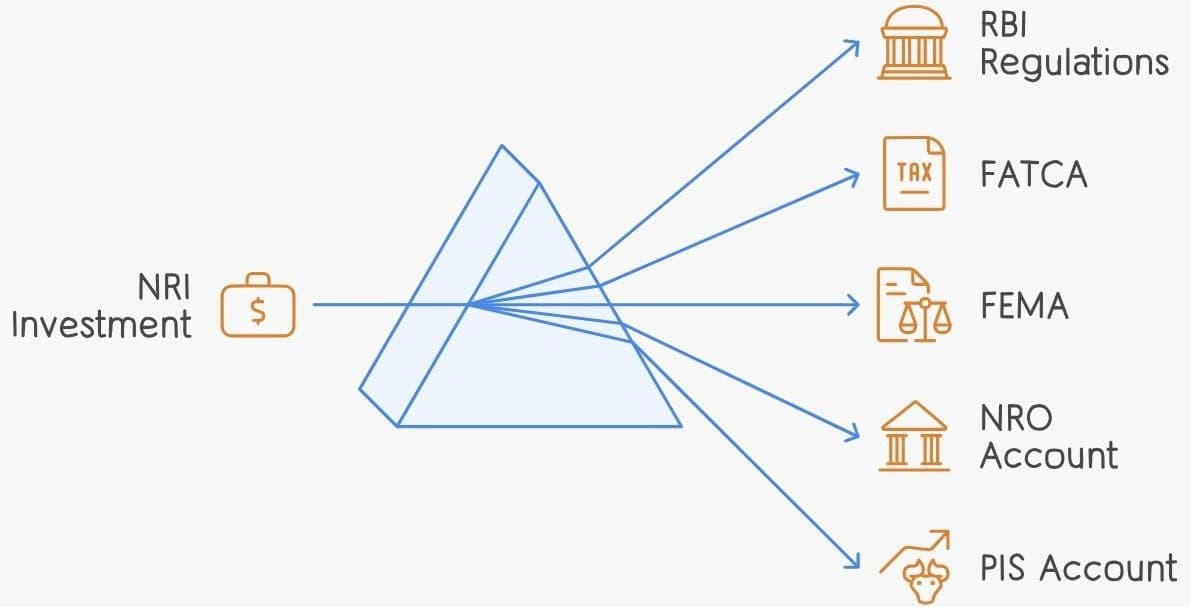
Most NRI portfolios run through a mix of NRE and NRO bank accounts, with a PIS permission where direct equities are involved. Mutual funds, bonds, and PMS/AIF routes each have their own onboarding and fund-house restrictions.
- NRE: typically for foreign-sourced funds, with freer repatriation when documentation is in order.
- NRO: for Indian-sourced income (rent, dividends, local sale proceeds), with limits and tax considerations on outbound remittances.
- POA vs self-directed: a well-drafted power of attorney can help families execute when the NRI cannot travel, but KYC, FATCA/CRS, and mandate scope must stay current.
Factor FATCA/CRS reporting and your resident-country rules before you size India exposure — especially for mutual funds and overseas-linked products.
Property sales, capital gains, and portfolio design
When an NRI sells Indian property, residential status and holding period drive tax treatment. Establish status first, then map eligibility for exemptions, TDS, and remittance — not the other way around.
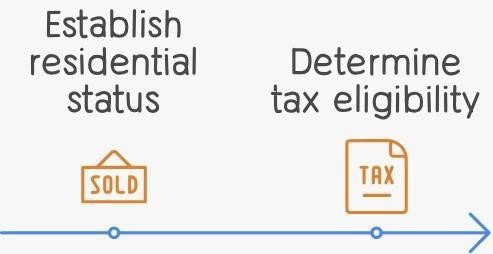
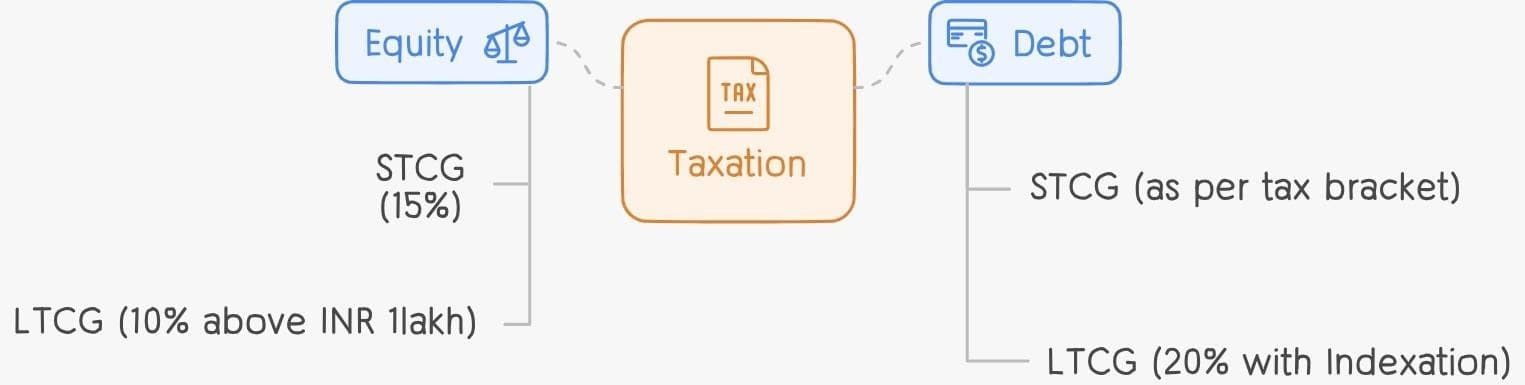
Equity and debt holdings are taxed differently, and rates change with Finance Acts. Build the portfolio around goals, currency needs, and liquidity first; then layer DTAA documentation so treaty benefits and credit claims are not an afterthought.
For many families, the winning structure mixes Indian growth assets with clear repatriation paths, GIFT City or USD-reporting options where suitable, and a written plan for return-to-India transitions.
Explore NRI/OCI wealth services or get in touch with iVentures for personalised NRI investment guidance.